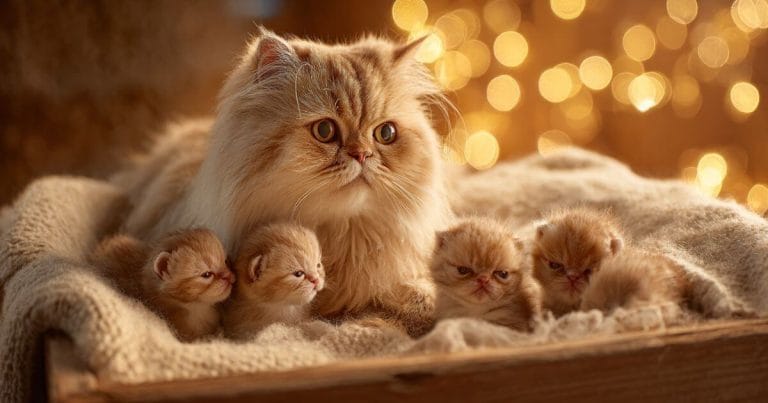
Becoming a cat breeder requires dedication, significant financial investment, and a genuine commitment to feline welfare. Whether you dream of preserving a beloved breed or building a cattery business, this comprehensive guide walks you through every step—from choosing your first breeding cat to registering with major cat associations and finding experienced mentors.
- Startup costs for a cattery range from $10,000 to $40,000 depending on breed, location, and scale
- CFA cattery registration costs $100 for 5 years; TICA cattery registration is $40
- Finding a mentor through TICA’s official program or breed clubs accelerates your learning
- Health testing (HCM, PKD, FeLV/FIV) is essential before breeding any cat
- Expect 1-2 years of learning and preparation before producing your first litter
Is Cat Breeding Right for You?
Cat breeding isn’t a get-rich-quick scheme—in fact, most responsible breeders barely break even. According to experienced breeders, you should pursue breeding only if you’re genuinely passionate about improving a breed and willing to invest years of learning before your first litter.
The Governing Council of the Cat Fancy (GCCF) notes that your first requirement is a healthy female with no outstanding faults, typical of the breed, with a good temperament. But acquiring that foundation queen is just the beginning of a long journey.
Reality Check: With routine care expenses averaging around $2,000 per month for food, supplements, litter, and grooming supplies, plus veterinary costs, most catteries don’t generate profit. Enter breeding for love of the breed, not money.
Questions to Ask Yourself
- Can I commit 1-2 years to learning before my first litter?
- Do I have $10,000-$40,000 in startup capital?
- Can I afford $2,000+ per month in ongoing expenses?
- Am I prepared for emergency C-sections and kitten loss?
- Do I have adequate space for a cattery (separate queen/stud areas)?
- Can I provide 24-hour surveillance during births?
- Will I screen buyers and provide lifelong support?
- Do I have a veterinarian experienced in feline reproduction?
Step 1: Choose Your Breed Carefully
Selecting the right breed is one of the most important decisions you’ll make. Consider health issues, temperament, grooming needs, market demand, and your personal connection to the breed.
Popular Breeds for New Breeders
| Breed | Temperament | Key Health Tests | Considerations |
|---|---|---|---|
| Ragdoll | Docile, affectionate, “puppy-like” | HCM (R818W mutation), PKD | High demand; genetic HCM test available |
| British Shorthair | Calm, independent, gentle | HCM, PKD, blood typing | Stable temperament; good apartment cats |
| Maine Coon | Friendly, dog-like, social | HCM (A31P mutation), HD, SMA | Large breed; longer maturity time |
| American Shorthair | Easy-going, adaptable | HCM, standard screenings | Hardy; low-maintenance grooming |
| Siamese | Vocal, social, intelligent | PRA, amyloidosis screening | Very social; needs company |
Tip: CFA recommends that new breeders purchase and show a spay or neuter in the Premiership Class for a season or two. This lets you learn the breed standard and connect with experienced breeders before investing in breeding cats.
Research Your Chosen Breed Thoroughly
Before acquiring your first cat, spend at least 6-12 months:
- Reading the official breed standard from CFA, TICA, or GCCF
- Attending cat shows to see top examples of the breed in person
- Joining breed-specific clubs and online communities
- Speaking with multiple established breeders
- Understanding breed-specific health issues and testing requirements
Step 2: Find a Mentor
A mentor can help you navigate the complexities of cat breeding, from understanding genetics to handling birthing emergencies. While not required, having an experienced guide dramatically increases your chances of success.
Official Mentorship Programs
TICA Mentorship Program: The International Cat Association established their Mentor Program to promote TICA through qualified exhibitor and breeder mentors. You can request a breeding mentor by contacting breeder.mentoring@tica.org. You must be 18 years old to participate.
Breed Clubs: Most breed-specific clubs have mentorship programs or can connect new breeders with experienced members willing to guide newcomers.
What to Look for in a Mentor
- Makes you feel confident and capable
- Lets you make your own choices without fear
- Open about their own mistakes and experiences
- Genuinely happy when you succeed—even differently
- Available for questions but respects boundaries
- Active in the breeding community with good reputation
- Controlling or dismissive of your ideas
- Unwilling to discuss their breeding practices
- Negative reputation in breeding community
- Pressures you to buy cats only from them
- Won’t introduce you to other breeders
- Makes you feel dependent rather than empowered
Important: You do not have to have a mentor to become a successful breeder. Many excellent breeders are self-taught. However, a good mentor can help you avoid costly mistakes and accelerate your learning curve significantly.
Step 3: Understand the Costs
Financial planning is crucial before starting a cattery. Costs vary significantly based on breed, location, and scale of operation.
Startup Costs Breakdown
| Expense Category | Estimated Cost | Notes |
|---|---|---|
| Foundation Queen | $2,000 – $5,000+ | Breeding-quality females cost significantly more than pets |
| Stud Cat or Stud Fees | $3,000 – $6,000+ (own) / $500 – $2,000 (fee) | Many new breeders start with stud service rather than owning a male |
| Health Testing | $500 – $1,500 per cat | HCM echocardiogram, genetic tests, FeLV/FIV |
| Cattery Setup | $2,000 – $10,000+ | Enclosures, heating, ventilation, birthing supplies |
| Registry Registration | $100 – $200 | CFA: $100/5 years; TICA: $40 + cat registrations |
| Business Licenses/Insurance | $200 – $1,000+ annually | Varies by location; liability insurance recommended |
| Initial Veterinary Care | $500 – $1,500 | Wellness exams, vaccinations, pre-breeding checks |
Total estimated startup: $10,000 – $40,000+
Ongoing Monthly Expenses
| Expense | Monthly Cost |
|---|---|
| Premium Cat Food | $200 – $500 |
| Litter | $100 – $300 |
| Supplements & Grooming | $50 – $150 |
| Routine Veterinary Care | $100 – $300 |
| Cat Show Entries & Travel | $200 – $500 (varies) |
| Emergency Veterinary Fund | $200 – $500 (savings) |
Total estimated monthly: $800 – $2,000+ (with 6 adults and a few litters annually)
Emergency Costs: Always maintain an emergency fund of at least $3,000-$5,000. Emergency C-sections can cost $1,500-$3,000, and neonatal kitten care during fading kitten syndrome can require intensive veterinary intervention.
Step 4: Register Your Cattery
Registering with a recognized cat association gives your cattery credibility, allows you to register kittens with pedigrees, and connects you with the breeding community.
Major Cat Registries
| Registry | Cattery Registration Fee | Key Features |
|---|---|---|
| CFA (Cat Fanciers’ Association) | $100 for 5 years | One of the world’s largest; strict breed standards; Catteries of Excellence program |
| TICA (The International Cat Association) | $40 (with cat registration bundle) | Largest genetic registry; accepts more breed varieties; progressive breed recognition |
| GCCF (UK) | Varies by prefix type | Primary UK registry; different requirements for UK breeders |
Cattery Name Requirements
CFA Requirements:
- Cattery name (including punctuation and blanks) may not exceed 12 spaces
- Must be at least 2 letters different from any existing registered name
- Names cannot be duplicated
- Permanent cattery name available for additional $200 (after meeting renewal requirements)
Cross-Registration: You can register cats with multiple organizations. According to cat registry experts, it’s easy to register a CFA cat in TICA—simply complete the registration form and submit a copy of the CFA certified pedigree.
Step 5: Complete Required Health Testing
Health testing is the cornerstone of responsible breeding. TICA notes that genetic screening is voluntary but emphasizes that responsible breeders test for known hereditary conditions in their breed.
Essential Health Screenings
| Test | What It Detects | Breeds Most Affected | Test Type |
|---|---|---|---|
| HCM Echocardiogram | Hypertrophic Cardiomyopathy | Maine Coon, Ragdoll, British Shorthair | Annual ultrasound by cardiologist |
| HCM DNA Test | Genetic mutations (A31P, R818W) | Maine Coon, Ragdoll only | One-time genetic test |
| PKD DNA Test | Polycystic Kidney Disease | Persian, Exotic Shorthair, Himalayan | One-time genetic test |
| FeLV/FIV | Feline Leukemia & Immunodeficiency | All breeds | Blood test; annual or before breeding |
| Blood Typing | Blood type incompatibility | British Shorthair, Devon Rex, others | Prevents neonatal isoerythrolysis |
| PRA Test | Progressive Retinal Atrophy | Abyssinian, Siamese, Bengal | One-time genetic test |
Important: A negative genetic test only means the cat doesn’t carry the specific mutation tested. HCM has been found in 5.4% of Maine Coons negative for the A31P mutation, indicating this isn’t the sole cause. Annual echocardiograms are still recommended for at-risk breeds.
Breeding Recommendations from Veterinary Experts
- Screen all breeding cats with appropriate tests for your breed
- Never breed two cats that are both heterozygous for a genetic disease
- Cats with positive genetic tests should have additional diagnostics (ultrasound, etc.)
- A slow eradication approach is recommended for prevalent diseases to avoid inbreeding depression
- Use ISAG-accredited laboratories for genetic testing
Step 6: Handle Legal Requirements
Legal requirements for catteries vary significantly by location. Research your local, state/province, and national regulations before starting.
Common Legal Requirements
- Business license from local authorities
- Zoning approval (ensure property allows commercial animal breeding)
- Kennel/cattery license (varies by county—some require it, some don’t)
- State breeding permits (required in some states)
- Sales tax permit if selling kittens
- Health department approval (some areas regulate catteries like animal shelters)
Tax Considerations: According to the IRS, as soon as you take steps to make a profit, your activity is no longer a “hobby” and becomes a business. The IRS’s nine-factor test determines classification. As of 2018, you cannot deduct expenses toward hobby income, which may affect how you classify your cattery.
Insurance Considerations
Professional breeders should consider liability insurance. Pet Care Insurance offers policies for animal breeders covering accidents and claims. TICA also offers a Breeding Endorsement add-on for extra protection, though there’s a 14-day waiting period and planned C-sections aren’t covered.
Step 7: Acquire Your First Breeding Cat
Your foundation cat sets the direction for your entire breeding program. Take your time and purchase only from reputable breeders.
Finding a Reputable Breeder
- Search CFA or TICA breeder directories for registered breeders
- Attend cat shows and speak with exhibitors of your chosen breed
- Contact breed-specific clubs for breeder referrals
- Visit the breeder in person to see living conditions
- Request health test results for parents and grandparents
- Ask for references from other buyers
- Review the contract thoroughly before signing
Understanding Breeder Contracts
A breeder contract is more than a bill of sale—it describes your rights and the seller’s rights, sometimes for the life of your cat. Key elements to understand:
- Breeding Rights: Make sure the contract explicitly grants breeding rights—pet-quality cats often come with spay/neuter requirements
- Show Requirements: Some breeders require you to show the cat to a certain title before breeding
- Age Restrictions: Contracts may specify not breeding females until 1 year old
- Return Clauses: Many breeders require notification if you must rehome the cat
- Health Guarantees: Understand what’s covered and for how long
Warning: Be cautious of breeders who won’t show you their facility, don’t provide health test documentation, or pressure you to skip the contract. Some kitten-selling operations involve breeders who recommend each other but sell kittens with poor contracts and no warranties.
Step 8: Prepare for Your First Litter
Once you’ve acquired a healthy, registered queen with breeding rights and completed all health testing, preparation for breeding begins.
Timeline to First Litter
Wait for Physical Maturity (10-18 months)
Queens should reach at least 85% of adult body weight before breeding. Many breeders wait until 12-18 months or even 2 years. Males should wait until at least 12-18 months for peak sperm quality.
Complete All Health Testing
Ensure HCM screening, genetic tests, FeLV/FIV testing, and breed-specific tests are complete with good results before breeding.
Select a Suitable Stud
Work with your mentor or breed club to identify a stud that complements your queen. Review his pedigree, health tests, and offspring quality.
Breeding & Pregnancy (65 days)
Cats are induced ovulators—multiple matings (3-4 within 24 hours) trigger ovulation. Pregnancy lasts approximately 63-65 days. Feed premium kitten food throughout pregnancy.
Prepare for Birth (Week 7)
Set up a nesting box in a warm, quiet room. Arrange for 24-hour surveillance starting a day before the expected due date. Have your vet’s emergency number ready.
Birth & Kitten Care (12-16 weeks)
Most cats deliver without complications, but first-time mothers need close monitoring. Schedule a vet exam within 24 hours of birth. Kittens stay with mom until 12-16 weeks.
Essential Supplies for Queening
- Nesting box (warm, quiet, easy to clean)
- Heat lamp or heating pad (kittens can’t regulate temperature)
- Clean towels and blankets
- Dental floss (for tying umbilical cords if needed)
- Blunt scissors (sterilized)
- Bulb syringe (clearing airways)
- Digital scale (daily kitten weighing)
- Kitten milk replacer (emergency feeding)
- Feeding syringes or bottles
- Veterinarian emergency contact
Kitten Health Guarantees & Contracts
As a breeder, you’ll provide contracts to your kitten buyers. Understanding standard practices helps you create fair, protective agreements.
Common Guarantee Terms
- 72-Hour Health Check: Buyer must have kitten examined by vet within 72 hours; if seriously deficient, replacement offered (no cash refunds typically)
- 1-Year Genetic Guarantee: Covers congenital defects; requires necropsy if kitten dies
- FeLV/FIV Guarantee: Kitten guaranteed negative at time of sale
- Spay/Neuter Requirement: Pet-quality kittens must be altered by a certain age
Insurance for Kitten Buyers
Many responsible breeders partner with pet insurance companies. Trupanion’s Breeder Support Program provides 30 days of coverage for kittens with no waiting period for the first 30 days. The GCCF offers five weeks free insurance cover for new owners when they collect their kitten.
Building Your Cattery’s Reputation
Success in cat breeding comes from consistently producing healthy, well-socialized kittens and providing excellent support to kitten buyers.
Best Practices for New Breeders
- Show your cats to earn titles and demonstrate breed quality
- Be transparent about health testing—publish results publicly
- Screen kitten buyers carefully with applications and interviews
- Provide comprehensive kitten care packets to new owners
- Offer lifetime breeder support and take back cats if owners can’t keep them
- Join breed clubs and participate in the breeding community
- Continue education through seminars, conferences, and veterinary consultations
- Apply for CFA’s Catteries of Excellence program when eligible
Frequently Asked Questions
Startup costs typically range from $10,000 to $40,000, including purchasing breeding-quality cats ($2,000-$5,000+ each), health testing ($500-$1,500 per cat), cattery setup, and registry fees. Monthly ongoing expenses average $800-$2,000 for food, litter, veterinary care, and show entries.
Requirements vary by location. Some areas require business licenses, kennel/cattery licenses, and zoning approval. Contact your local animal control, health department, and city/county offices to understand requirements in your area. In the UK, catteries must be licensed and inspected under the Animal Boarding Establishments Act 1963.
CFA (Cat Fanciers’ Association) is one of the world’s oldest and largest registries with strict breed standards. Cattery registration costs $100 for 5 years. TICA (The International Cat Association) is the largest genetic registry and is more progressive in accepting new breed varieties. Cattery registration is $40. Many breeders register with both organizations.
TICA offers an official Mentorship Program—contact breeder.mentoring@tica.org. You can also find mentors through breed-specific clubs, cat shows, or by building relationships with established breeders. The breeder you purchase your foundation cat from is often a natural choice for mentorship.
All cats should be tested for FeLV and FIV. Additional tests depend on breed: HCM screening (echocardiogram) for Maine Coons, Ragdolls, and British Shorthairs; PKD genetic testing for Persians and related breeds; blood typing for breeds prone to neonatal isoerythrolysis. Annual HCM screening is recommended even with negative genetic tests.
While cats can reach sexual maturity as early as 4 months, responsible breeders wait until queens are 10-18 months old and have reached 85% of adult body weight. Male cats should wait until 12-18 months for optimal sperm quality and behavioral stability. Breeding too young can lead to complications and small litters.
Most responsible breeders barely break even or operate at a loss. Between health testing, premium food, veterinary care, show fees, and emergency expenses, costs often exceed income from kitten sales. Successful breeders typically breed for love of the breed and breed improvement, not profit.
Conclusion
Becoming a cat breeder is a rewarding journey that requires patience, dedication, and significant investment. By following these steps—choosing your breed carefully, finding a mentor, understanding the costs, registering your cattery, completing health testing, and preparing thoroughly for your first litter—you’ll be well-positioned to become a responsible breeder who contributes positively to your chosen breed. For a complete overview of the breeding process, visit our comprehensive breeding guide.
Remember that breeding is a long-term commitment. Take at least 1-2 years to learn before producing your first litter, and always prioritize the health and welfare of your cats above all else. For detailed information on the actual breeding and birthing process, see our cat breeding 101 guide. The breeding community is generally welcoming to newcomers who demonstrate genuine commitment and willingness to learn.
Ready to Start Your Breeding Journey? PairMyPet connects responsible breeders with suitable mates. Once you’ve established your cattery and completed health testing, create your breeder profile to find quality breeding partners in your area.