
Stud Dogs in Ontario
Browse stud dogs across the province by breed and city. Review profiles, compare your options, and message stud owners directly to discuss health clearances, pedigree, and breeding terms.
Featured Stud Dogs in Ontario
Browse stud dogs listed by Ontario owners on PairMyPet.
Browse by Region
The province spans over 1 million square kilometres. Finding a stud close to home makes it easier to arrange meet-and-greets, evaluate temperament in person, and coordinate natural breeding schedules.
Greater Toronto Area (GTA)
The GTA is Ontario’s most active breeding region, with a dense concentration of breeders and reproductive veterinary services. Urban and suburban owners benefit from easy access to specialists and breed club events.
Key cities: Toronto, Markham, Richmond Hill, Mississauga, Brampton, Whitby, Ajax, Pickering, Cambridge
Reproductive veterinary services in the GTA include Weldrick Animal Hospital in Richmond Hill, which offers progesterone testing, artificial insemination, and semen evaluation for breeders across the Toronto area.
Southwestern Ontario
Southwestern Ontario has a growing breeding community with a mix of urban breeders and rural kennels. The region’s agricultural landscape supports responsible small-scale breeding operations.
Key cities: London, Windsor, Guelph, Kitchener, Waterloo, Brantford, Hamilton
Alma Street Animal Hospital provides canine reproduction services including progesterone testing, artificial insemination, and breeding management for owners across Southwestern Ontario.
Eastern Ontario
Eastern Ontario, anchored by Ottawa, has an active breeding community with strong breed club networks. Ottawa has specific kennel regulations — the city allows a maximum of 3 dogs per dwelling without a licence, and owners with more dogs must register for a breeding kennel licence.
Key cities: Ottawa, Barrhaven, Kanata, Kingston, Belleville
Cedarview Animal Hospital in Ottawa offers comprehensive canine reproduction services including progesterone testing, semen collection and evaluation, and artificial insemination for breeders across Eastern Ontario.
Northern Ontario
Northern Ontario’s vast geography means breeders often rely on artificial insemination with shipped semen rather than in-person breeding. Working breeds are particularly popular in this region, with demand for sled dogs, hunting dogs, and livestock guardians.
Key cities: Thunder Bay, Sudbury, Sault Ste. Marie
Breeders in Northern Ontario frequently coordinate AI with semen shipping from southern Ontario or other provinces. Contact reproductive clinics in the GTA or Ottawa for semen collection, cryopreservation, and shipping services.
Ontario Stud Dog Regions
Colour-coded by stud dog concentration
Ready to browse? Search for studs near you by breed and region. Creating a profile is free.
Browse Ontario Studs →Popular Breeds in Ontario
The province’s breeding community reflects national and provincial demand. These are the most sought-after breeds, with links to breed-specific health testing, stud fee ranges (in CAD), and breeding guidance.
French Bulldog Stud Dogs
Growing in popularity across urban areas. Mandatory artificial insemination, C-section delivery planning, and brachycephalic airway assessment make Frenchie studs high-demand.
→Golden Retriever Stud Dogs
A provincial staple across families and show breeders. Four core GRCA clearances required: hips, elbows, heart, and eyes.
→Labrador Retriever Stud Dogs
Canada’s most registered breed for 32 consecutive years. Strong demand for both field and show lines. CHIC-recommended health screenings include hip and elbow evaluation at 24+ months of age.
→German Shepherd Stud Dogs
Popular across working dog and service dog communities. DM, hip, and elbow screening per the breed club standards.
→Goldendoodle Stud Dogs
High demand in the family dog market. Generation type (F1, F1B, F2B, Multigen) determines coat and size outcomes.
→Pomeranian Stud Dogs
Toy breed with steady following across the province. Alopecia X and small-breed whelping risks require careful stud selection.
→Siberian Husky Stud Dogs
Popular across the province, especially in colder regions. Eye exams and hip clearances are essential before breeding.
→Australian Shepherd Stud Dogs
Popular in ranch and agility communities. MDR1 testing and merle-to-merle safety are critical.
→Shih Tzu Stud Dogs
Companion breed with consistent demand. Eye exams, patellar luxation screening, and hip evaluations are recommended.
→Browse all breeds available in the province, or visit the stud dog directory for results by region.
Stud Fee Guide for Ontario
Stud fees vary widely by breed, health clearances, pedigree, and market demand. Here’s what owners typically charge in Canadian dollars.
Ontario Stud Fee Ranges by Breed
These are market averages. Factors affecting fees include:
- Health clearances: OFA/PennHIP certifications, CHIC status, DNA test results
- Pedigree: Champion bloodlines, titled parents, proven genetics
- Demand: Rarer colours, desired traits, breed popularity
- Proven success: Previous litters, fertility history, offspring success
- Breeding terms: Whether stud fee includes “pick of litter” or live birth guarantees
Discuss fees, payment terms, and breeding contracts directly with stud owners on PairMyPet.
Found a breed you’re interested in? Create a free profile to browse stud profiles across the province and message owners directly.
Get Started Free →Why Owners Choose PairMyPet
Unlike raw listing directories, PairMyPet is built specifically for responsible breeding connections.
Profiles with context
Every stud profile includes breed, age, location, photos, and the owner’s description, so you can evaluate before reaching out. Ask owners about health clearances, temperament, and breeding terms through direct messaging.
Direct owner-to-owner communication
No brokers, no middlemen. Message stud owners directly to discuss OFA results, CKC registration, stud fees, and logistics.
Organised by region
Browse by breed and region to find studs near you. Local connections make meet-and-greets, temperament evaluation, and natural breeding coordination easier.
Dogs and cats
Most breeding platforms are dogs-only. PairMyPet supports both dogs and cats, so cat breeders looking for studs have a home too.
Dog Breeding Laws You Need to Know
The province has strengthened dog breeding and animal welfare legislation in recent years. The PUPS Act (Preventing Unethical Puppy Sales Act, 2024) took effect in June 2024, making puppy mills illegal. Every breeder using a stud should understand these requirements.
Puppy Mills Are Illegal
The PUPS Act prohibits inbreeding, breeding females more than 3 times in 2 years, breeding females under 12 months, and poor sanitation.
Record-Keeping Required
Breeders must maintain detailed records of all dogs, breedings, and health information under the Provincial Animal Welfare Services Act.
Municipal Bylaws Apply
Check your city/region. Ottawa allows max 3 dogs per dwelling without a licence; more require breeding kennel registration.
CKC Registration Recommended
Register litters with the Canadian Kennel Club for pedigree documentation and breed standards adherence.
The PUPS Act: Puppy Mills Are Now Illegal
The Preventing Unethical Puppy Sales Act (PUPS Act, 2024) took effect in June 2024 and made operating a puppy mill illegal in Ontario. Key prohibitions include:
- Inbreeding (breeding closely related dogs)
- Breeding a female more than 3 times in a 2-year period
- Breeding a female under 12 months of age
- Keeping dogs in unsanitary or unsafe conditions
- Failing to provide adequate veterinary care
Penalties under the PUPS Act include a minimum fine of $10,000, and up to $25,000 if a dog dies as a result of the offence.
Record-Keeping and Compliance
Under the Provincial Animal Welfare Services Act (PAWS Act, 2019), breeders must maintain detailed records of all dogs in their care, including breeding records, health information, and veterinary care documentation. Animal welfare inspectors have the authority to enter premises and inspect records to ensure compliance.
Municipal Bylaws and Permits
Municipal bylaws vary across the province. Ottawa allows a maximum of 3 dogs per dwelling without a licence; owners with more dogs must register for a breeding kennel licence. Toronto, Mississauga, and Cambridge each have their own pet limit bylaws and kennel licensing requirements. Always check your local municipal bylaws before breeding.
The Canadian Veterinary Medical Association (CVMA) provides guidance on responsible breeding practices and can help connect you with local veterinary resources.
Canadian Kennel Club (CKC) Registration
While not legally required for all breeders, CKC registration is strongly recommended for purebred breeding. Benefits include:
- Official pedigree documentation for all registered litters
- Access to CKC events, shows, and performance trials
- Breed standards verification and adherence
- Increased buyer confidence through verified lineage
How PairMyPet Works
Create Your Profile
Add your dog’s photo, breed, age, gender, and a description.
Browse Ontario Studs
Search by breed and location to find available males in your area.
Review and Compare
Look through profiles, read descriptions, and shortlist candidates.
Message Stud Owners
Reach out to discuss health clearances, terms, and fees.
The best conversations happen after you connect. Ask owners for OFA numbers, CKC registration details, DNA test results, and references from previous breedings. Discuss whether natural breeding or artificial insemination is appropriate, agree on contract terms, and review compliance with Ontario breeding laws before scheduling.
New to breeding? Read our how to find a stud dog guide or the dog breeding for beginners walkthrough. For province-specific guidance, the Ontario SPCA is a trusted resource for animal welfare information.
For Ontario Stud Dog Owners
Own a quality stud in the province? PairMyPet helps you connect with breeders actively searching for studs in your area.
A strong profile includes a clear photo showing structure and type, breed and age details, health clearances (OFA numbers, CKC registration, DNA panel results), fee or “contact for pricing,” and your breeding terms and availability. Breeders browsing by breed and region will find your profile and message you directly.
Before listing, confirm your municipality does not require a breeding permit or kennel licence. Under the PUPS Act, all breeders must comply with provincial breeding standards. Municipal bylaws in Ottawa, Toronto, Mississauga, and other cities may impose additional pet limits and kennel licensing requirements.
From Our Blog
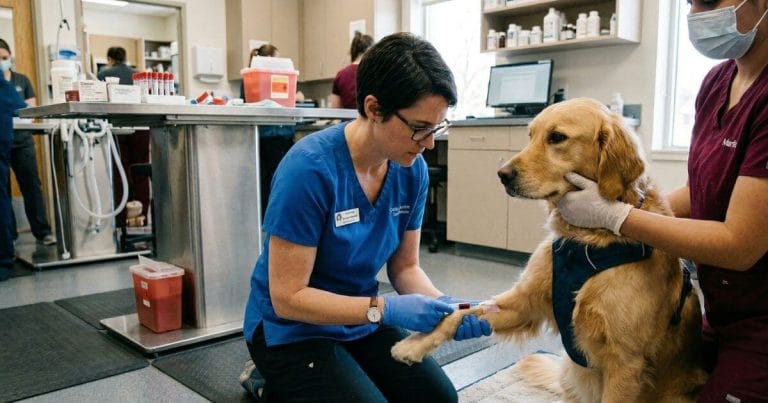
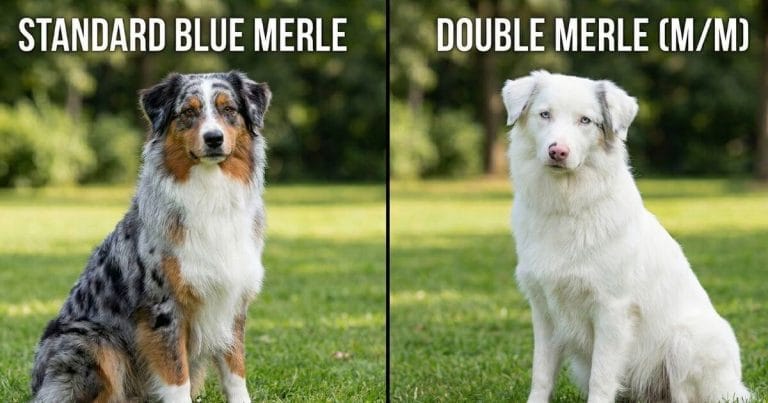
Have questions about breeding in the province? Check the FAQ below, or create a free profile to connect with experienced stud owners who can help.
Get Started Free →Frequently Asked Questions
How do I find a stud dog near me?
Browse by breed and region using PairMyPet’s directory. Review profiles to evaluate breed, age, location, and the owner’s description. When you find a stud that interests you, message the owner directly to ask about health clearances, fees, and breeding terms.
Do I need a permit to breed dogs?
There is no single provincial breeding permit, but all breeders must comply with the PUPS Act (2024), which prohibits puppy mill practices. Municipal bylaws may also apply — for example, Ottawa requires a breeding kennel licence if you keep more than 3 dogs. Check your local municipality’s bylaws before breeding.
What are the provincial breeding laws?
The PUPS Act (2024) makes puppy mills illegal in Ontario. It prohibits inbreeding, breeding females more than 3 times in 2 years, breeding females under 12 months, and keeping dogs in unsanitary conditions. The Provincial Animal Welfare Services Act (2019) requires breeders to maintain detailed records and comply with animal welfare standards. Penalties under the PUPS Act start at $10,000 and can reach $25,000 if a dog dies.
How much do stud fees cost?
Fees range from $300 to $3,500+ CAD depending on breed, health clearances, pedigree, and demand. French Bulldogs command the highest fees ($1,200 to $3,500+ CAD) due to mandatory artificial insemination. Labrador Retrievers and German Shepherds typically range from $400 to $1,500 CAD. Proven studs with health clearances, titles, and championship pedigrees command fees at the higher end.
Should I use CKC registration for my breeding?
CKC (Canadian Kennel Club) registration is strongly recommended for purebred breeding. It provides official pedigree documentation, access to CKC events and shows, breed standards verification, and increased buyer confidence. While not legally required for all breeders, CKC registration demonstrates a commitment to breed standards and responsible breeding practices.
Can I use a stud dog from outside the province?
Yes. Artificial insemination with fresh, chilled, or frozen semen allows you to use a stud from anywhere in Canada or internationally. Reproductive clinics across Ontario offer semen shipping, storage, and AI services. Cedarview Animal Hospital in Ottawa and Weldrick Animal Hospital in Richmond Hill both provide these services.
Where can I find a canine reproductive vet nearby?
Reproductive specialists across Ontario include: Cedarview Animal Hospital in Ottawa, which offers comprehensive reproduction services including progesterone testing and AI; Weldrick Animal Hospital in Richmond Hill, providing semen evaluation, artificial insemination, and breeding management for GTA breeders; and Alma Street Animal Hospital in Southwestern Ontario, offering progesterone testing and AI services.
What health tests should a stud dog have?
Health testing requirements depend on breed, not location. At minimum, every stud should have hip evaluations, an ophthalmologist eye exam, and cardiac screening through the OFA. Each breed has additional requirements through the CHIC program — for example, the GRCA requires four core clearances for Golden Retrievers. Brucellosis testing is recommended before every breeding. Visit our breed pages for breed-specific health testing requirements.
How do I ensure I’m breeding responsibly?
Responsible breeding starts with health testing, pedigree research, and compliance with provincial laws. Register with the CKC for purebred breeding, complete all breed-specific health clearances, and follow the PUPS Act requirements. Read our selective breeding guide for a comprehensive walkthrough of responsible breeding practices.
Browse Studs in Other Regions
Looking beyond Ontario? Browse studs by region:
Or browse the full stud dog directory for all regions.
Find Your Match in Ontario
The province has a thriving breeding community. Whether you’re in the Greater Toronto Area, Ottawa, Southwestern Ontario, or anywhere in between, PairMyPet connects you with owners who take responsible breeding seriously. Browse profiles, compare your options, and message owners directly — all for free.