
Stud Dogs in Texas
Browse stud dogs across the Lone Star State by breed and city. Review profiles, compare your options, and message stud owners directly to discuss health clearances, pedigree, and breeding terms.
Featured Stud Dogs in Texas
Health-tested studs from responsible owners across the state, ready to connect.


Browse Stud Dogs by Region
Texas spans over 268,000 square miles across five distinct regions. Finding a stud close to home makes it easier to arrange meet-and-greets, evaluate temperament in person, and coordinate natural breeding schedules.
North Texas (Dallas-Fort Worth)
North Texas, anchored by Dallas and Fort Worth, has the largest concentration of studs in the state. The DFW metroplex draws serious breeders across all breed types, from herding dogs to companion breeds.
Key cities: Dallas, Fort Worth, Arlington, Plano, Irving, Frisco, Denton
The Dallas-Fort Worth area is home to several canine reproductive specialists. Josey Ranch Pet Hospital in Carrollton offers c-sections, progesterone testing, insemination, and breeding consultation. VCA Lakeside Animal Hospital in Fort Worth provides progesterone and Brucella testing, prenatal care, ultrasound, and planned cesarean births. North Texas Animal Reproductive Services in Burleson is dedicated exclusively to canine reproduction.
Greater Houston Area
The Houston metropolitan area and Gulf Coast region represents a major breeding hub with diverse breed interests reflecting the region’s warm, humid climate and large family-dog market.
Key cities: Houston, Pearland, Katy, The Woodlands, Galveston, Brazoria County
Suburbia North Animal Hospital in Houston offers c-sections, progesterone and brucellosis testing, insemination, and comprehensive breeding services. Deason Animal Hospital in Floresville serves breeder clients with reproductive consultation and services.
Central Texas (Austin & Hill Country)
Central Texas, centered on Austin and the Hill Country, hosts a growing breeding community particularly strong in working breeds and breed enthusiasts. The region’s mild winters and outdoor culture attract diverse breeding interests.
Key cities: Austin, San Antonio, New Braunfels, Marble Falls, Kerrville
Austin Veterinary Diagnostic Hospital offers canine reproductive services including c-sections, progesterone and brucellosis testing, and insemination. Shelley Drive Animal Clinic in Tyler (East Texas) provides progesterone testing, artificial insemination, ultrasound, and breeding consultation.
South Texas
South Texas offers a quieter breeding environment with lower overhead and space for larger operations. The region supports growing interest in both heritage breeds and popular national breeds.
Key cities: Corpus Christi, Laredo, Brownsville, Alice, Kingsville
For reproductive services in the region, check with Canton Veterinary Clinic, which specializes in reproductive services, and Deason Animal Hospital in Floresville.
West Texas & Panhandle
West Texas and the Panhandle support working dog breeding traditions, particularly for herding and ranch breeds. Lower population density means smaller breeding pools but often very strong breed knowledge.
Key cities: El Paso, Lubbock, Amarillo, Midland, Abilene
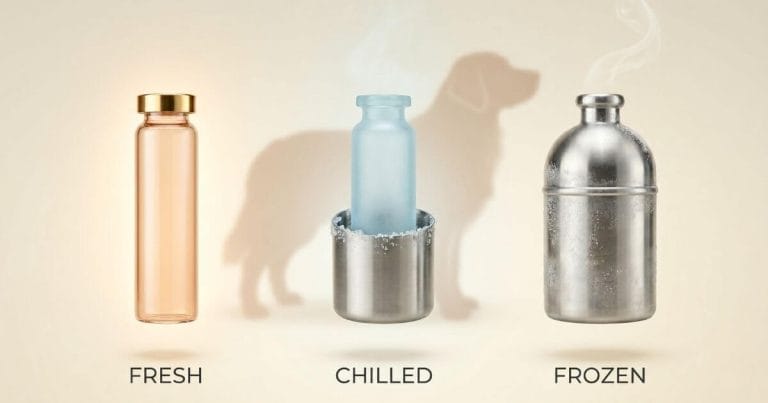
Reproductive services are more limited in this region; artificial insemination with chilled or frozen semen from breeders elsewhere is a practical option for many Panhandle-area breeders.
Texas Stud Dog Regions
Colour-coded by stud dog concentration
Popular Breeds in Texas
The Lone Star State’s breeding population reflects both national trends and local preferences shaped by climate and lifestyle. These are the most sought-after breeds, with links to breed-specific health testing, stud fee ranges, and breeding guidance.
French Bulldog Stud Dogs
The most popular breed nationally and across the state. Mandatory AI breeding, C-section delivery planning, and brachycephalic health screening make Frenchie studs high-demand and high-cost.
→Labrador Retriever Stud Dogs
America’s most registered breed with strong demand across the state for both field and show lines. Seven CHIC-recommended health screenings.
→Golden Retriever Stud Dogs
A Lone Star State favourite across families and show breeders. Four core GRCA clearances required: hips, elbows, heart, and eyes.
→German Shepherd Stud Dogs
Popular across the state’s working dog communities, from ranch herding to service dog training. DM, hip, and elbow screening per the GSDCA.
→Australian Shepherd Stud Dogs
Herding breed popular in ranch and agility communities statewide. MDR1 testing and merle-to-merle safety are critical.
→Siberian Husky Stud Dogs
Working breed studs with unique eye colour genetics. The state’s hot climate requires extra attention to heat management during breeding season.
→Goldendoodle Stud Dogs
High demand in the state’s family dog market. Generation type (F1, F1B, F2B, Multigen) determines coat and size outcomes.
→Browse studs across all breeds in the Lone Star State, or visit the full directory for nationwide results.
Stud Fee Guide: Texas
Stud fees across the Lone Star State vary by breed, health certifications, pedigree, and demand. Here’s what owners typically charge.
Texas Stud Fee Ranges by Breed
Found a breed you’re interested in? Create a free profile to browse stud profiles across the state and message owners directly.
Get Started Free →How PairMyPet Works
Create Your Profile
Add your dog’s photo, breed, age, gender, and a description.
Browse Texas Studs
Search by breed and location to find studs near you.
Review and Compare
Look through profiles, read descriptions, and shortlist candidates.
Message Stud Owners
Reach out directly to discuss health clearances, terms, and fees.
The best conversations happen after you connect. Ask stud owners for OFA numbers, CHIC certificates, DNA test results, and references from previous breedings. Discuss whether natural breeding or artificial insemination is appropriate, agree on contract terms, and review compliance with state breeding regulations before scheduling.
New to breeding? Read our stud services guide or the selective breeding walkthrough. For state-specific legal guidance, the TDLR Licensed Breeders program is the best starting point.
Ready to list your stud? Responsible breeders in Dallas, Houston, Austin, San Antonio, and across the state are waiting to connect.
List Your Stud Dog Today →Why Owners Choose PairMyPet
Direct Messaging
No middlemen, no waiting. Message stud owners directly to ask about health clearances, pedigree, breeding terms, and availability. Skip the back-and-forth through brokers.
Browse at Your Pace
Review stud profiles whenever it suits your schedule. No pressure sales calls or pushy sellers, just honest profiles from responsible owners in your region.
Global Network, Local Results
PairMyPet connects breeders worldwide. Need a stud from the Hill Country or willing to ship semen from another state? We help you find the right genetic match, regardless of geography.
Responsible Breeding First
PairMyPet attracts serious breeders committed to health testing, genetic diversity, and breed standards, not commercial operations or puppy mills.
Texas Dog Breeding Laws You Need to Know
The state regulates dog breeding through its licensing program and local city/county ordinances. Every breeder using a stud in the Lone Star State should understand these requirements.
Who Needs a License
Anyone with 5 or more adult intact female dogs or cats bred for sale must obtain a TDLR breeder license.
Key Exemptions
Dogs bred for herding livestock, hunting, field trials, or conformation shows are exempt from licensing.
Local Rules May Apply
Cities like Dallas and Houston have additional breeding permits. Check your local animal control office.
TDLR Licensing (Chapter 802, Occupations Code)
The Texas Department of Licensing and Regulation requires a license for anyone who possesses five or more adult intact female dogs or cats and breeds them for direct or indirect sale. As of January 2024, the number of dogs sold annually is irrelevant. The five-female threshold is what matters.
License fees depend on the number of intact females you possess:
- 5–10 females: $150/year
- 11–25 females: $300/year
- 26+ females: $500/year
Licenses are valid for one year from the date of issuance. Before a license is granted, TDLR must inspect your facility to ensure it meets state standards.
Key Exemptions
Dogs bred primarily for herding livestock, hunting, field trials, hunting tests, or similar organized performance events are exempt from licensing. Dogs bred for conformation shows or breed shows are also exempt. Working dog breeders and show breeders should confirm their exemption status with TDLR before listing a stud.
Local Permits and Ordinances
Texas law states that municipalities and counties may prohibit or further regulate dog breeding by local order or ordinance, meaning your city or county may have stricter rules than the state.
Dallas requires a breeding permit for anyone breeding dogs.
Houston requires a non-commercial breeder permit for certain breeding activities.
Many local counties and cities have additional kennel, breeding, or intact animal regulations. Before listing a stud or planning a litter, contact your local animal control office to confirm local requirements.
For Texas Stud Dog Owners
Own a quality stud in the Lone Star State? PairMyPet helps you connect with breeders actively searching for studs in your area.
A strong stud profile includes a clear photo showing structure and type, breed and age details, health clearances (OFA numbers, CHIC status, DNA panel results), stud fee or “contact for pricing,” and your breeding terms and availability. Breeders browsing studs by breed and city will find your profile and message you directly.
Before listing:
- Confirm your city or county does not require a breeding permit or kennel license. Many local jurisdictions have specific requirements for intact dogs.
- If you have five or more adult intact females, apply for a TDLR breeder license from the TDLR website.
- Ensure your facility meets state inspection standards before applying.
From Our Blog
Ready to find your perfect match in the Lone Star State? Browse by breed, location, and breeder profile. Message owners directly. No signup fees, no middlemen.
Start Browsing →Frequently Asked Questions
How do I find a stud dog in Texas?
Browse studs across the Lone Star State by breed and city using PairMyPet’s directory. Review profiles to evaluate breed, age, location, and the owner’s description. When you find a match that interests you, message the owner directly to ask about health clearances, fees, and breeding terms. Filter by region (North Texas, Houston, Austin, San Antonio, or West Texas) to find someone close to home.
Do I need a permit to breed dogs in Texas?
Permit requirements depend on your location. At the state level, anyone with five or more adult intact female dogs must obtain a TDLR breeder license. However, cities like Dallas and Houston have additional local permits. Check with your city or county animal control office before breeding to confirm local requirements.
What is the TDLR breeder licensing requirement?
The Texas Department of Licensing and Regulation requires a license for anyone who possesses five or more adult intact female dogs or cats and breeds them for sale. License fees are $150 (5–10 females), $300 (11–25 females), or $500 (26+). Dogs bred for herding, hunting, field trials, or conformation shows are exempt. Before you are licensed, TDLR must inspect your facility.
How much do stud fees cost in Texas?
Stud fees in the Lone Star State range from $500 to $5,000+ depending on breed, health clearances, pedigree, and demand. French Bulldogs command the highest fees ($1,500 to $5,000+) due to mandatory artificial insemination. Popular breeds like Golden Retrievers and Labrador Retrievers typically range from $500 to $2,000. Proven studs with titles, show wins, and comprehensive health clearances command top-end pricing.
Can I use a stud dog from outside Texas?
Yes. Artificial insemination with chilled or frozen semen allows you to use a stud from anywhere. Several local reproductive clinics offer semen shipping, storage, and AI services. Josey Ranch Pet Hospital (Dallas), Suburbia North Animal Hospital (Houston), and Austin Veterinary Diagnostic Hospital all offer AI services. Progesterone testing and timing coordination help ensure success with out-of-state studs.
Where can I find a canine reproductive veterinarian in Texas?
The state has reproductive specialists across the major regions. North Texas: Josey Ranch Pet Hospital (Carrollton), VCA Lakeside Animal Hospital (Fort Worth), North Texas Animal Reproductive Services (Burleson). Houston: Suburbia North Animal Hospital. Austin: Austin Veterinary Diagnostic Hospital. East Texas: Shelley Drive Animal Clinic (Tyler). South Texas: Deason Animal Hospital (Floresville).
What health tests should a stud dog have?
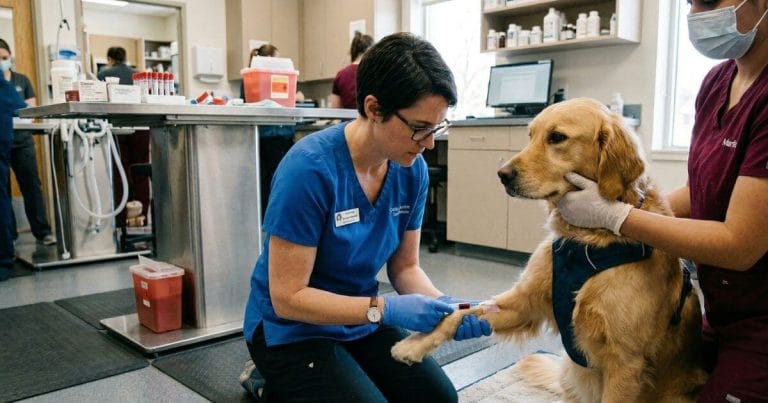
Health testing requirements depend on breed, not location. At minimum, every stud should have hip evaluations, an ophthalmologist eye exam, and cardiac screening through the OFA. Each breed has additional requirements through the CHIC program. Brucellosis testing is recommended before every breeding. Visit our breed pages for breed-specific health test requirements.
Is it legal to sell puppies bred in Texas?
Yes. Direct breeder-to-puppy-buyer sales are legal in the state. You must obtain a TDLR breeder license if you have five or more adult intact females. Follow any additional local ordinances from your city or county. Avoid third-party brokers. Direct sales between breeders and puppy buyers are the standard practice for responsible breeders.
Browse Studs in Other Regions
Find studs in every major region:
Or browse the full stud dog directory for all regions.
Find Your Match in Texas
The Lone Star State has one of the largest and most diverse breeding communities in the country. Whether you’re breeding in Dallas, Houston, Austin, San Antonio, or anywhere in between, PairMyPet connects you with responsible stud owners committed to health testing and genetic diversity.