
Stud Dogs in Pennsylvania
Browse stud dogs across the Keystone State by breed and region. Review profiles, compare your options, and message owners directly to discuss health clearances, pedigree, and breeding terms.
Featured Stud Dogs in Pennsylvania
Browse stud dogs listed by Pennsylvania owners on PairMyPet.
Browse by Region
Pennsylvania spans over 46,000 square miles with distinct breeding communities across its major regions. Finding a stud in your area makes it easier to arrange meet-and-greets, evaluate temperament in person, and coordinate natural breeding schedules.
Southeast PA & Philadelphia Area
The Philadelphia region and surrounding Southeast PA counties represent one of the state’s most active breeding communities. Lancaster County is particularly known for responsible dog breeding, with breeders focusing on health and temperament.
Key cities: Philadelphia, Lancaster, Chester, Berks County, Lehigh Valley (Allentown, Bethlehem)
Southeast PA is home to several canine reproductive specialists. Doylestown Animal Medical Clinic offers advanced progesterone testing and artificial insemination with fresh or chilled semen. Glenmoore Veterinary Hospital provides semen collection, vaginal cytology, and both AI and natural breeding assistance. In the Lehigh Valley, Maple Hills Veterinary Hospital in Allentown offers canine reproduction services including c-sections, progesterone testing, and insemination.
Central PA & Harrisburg Region
Central Pennsylvania, centered around Harrisburg, offers a quieter breeding environment with strong breed club networks. The Lenape Golden Retriever Club is active in this region, connecting responsible breeders across Central PA.
Key cities: Harrisburg, Lancaster, York, Carlisle, Mechanicsburg
North Penn Animal Hospital in Lansdale (Northern Bucks County, near Central PA) offers both vaginal AI with fresh/chilled semen and transcervical insemination with fresh, chilled, or frozen semen. Happy Tales Veterinary Hospital in Clark provides progesterone testing with quantitative results, vaginal cytology, and AI with fresh semen collected on-site.
Western PA & Pittsburgh Region
Western Pennsylvania’s Pittsburgh-centered breeding community includes working dog enthusiasts and active breed clubs. The region’s lower cost of living compared to Eastern PA makes it attractive for responsible small-scale breeders.
Key cities: Pittsburgh, Erie, Altoona, Washington, Greene County
Quakertown Veterinary Clinic (closer to Central PA but serving a wider region) offers artificial insemination, pregnancy care, and nationwide semen shipping. Breeders in this region often coordinate with Eastern PA specialists for advanced reproductive services.
Pennsylvania Stud Dog Regions
Colour-coded by stud dog concentration
Ready to browse? Search for studs near you by breed and region. Creating a profile is free.
Browse PA Studs →Popular Breeds in Pennsylvania
Pennsylvania’s breeding community reflects the state’s diverse dog ownership. These are the most sought-after breeds with links to breed-specific health testing, fee ranges, and breeding guidance.
French Bulldog Stud Dogs
The most popular breed nationally and in Philadelphia. Mandatory AI breeding, C-section delivery planning, and brachycephalic health screening make Frenchie studs high-demand.
→Labrador Retriever Stud Dogs
Pennsylvania’s traditional favorite. Strong demand for both field and show lines. Seven CHIC-recommended health screenings.
→German Shepherd Stud Dogs
Highly popular across Pennsylvania’s working dog communities. DM, hip, and elbow screening per the GSDCA.
→Golden Retriever Stud Dogs
Steady demand across the state with active breed clubs. Four core GRCA clearances required: hips, elbows, heart, and eyes.
→Goldendoodle Stud Dogs
High demand in the family dog market. Generation type (F1, F1B, F2B, Multigen) determines coat and size outcomes.
→Pomeranian Stud Dogs
Toy breed with steady following across the state. Alopecia X and small-breed whelping risks require careful stud selection.
→Siberian Husky Stud Dogs
Popular across Pennsylvania, especially in colder regions. Eye exams and hip clearances are essential before breeding.
→Australian Shepherd Stud Dogs
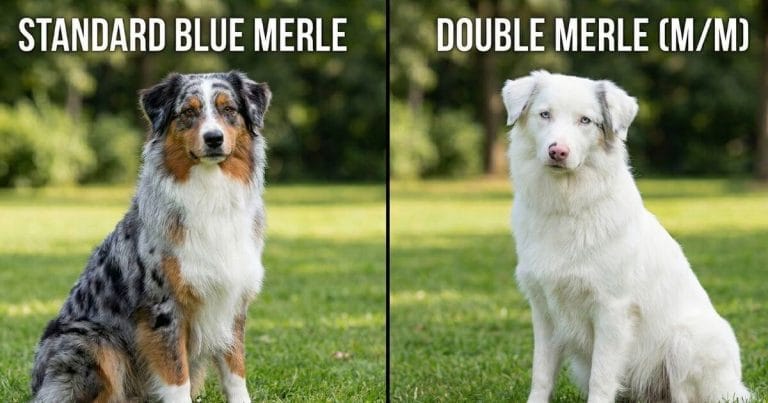
Herding breed popular in rural PA communities. MDR1 testing and merle-to-merle safety are critical.
→Shih Tzu Stud Dogs
Companion breed with consistent demand. Eye exams, patellar luxation screening, and hip evaluations are recommended.
→Browse all breeds available in the state, or visit the stud dog directory for results by region.
Stud Fee Guide: Pennsylvania
Stud fees vary depending on breed, health certifications, pedigree, and demand. Here’s what owners typically charge across PA.
Pennsylvania Stud Fee Ranges by Breed
Found a breed you’re interested in? Create a free profile to browse stud profiles across PA and message owners directly.
Get Started Free →Why Owners Choose PairMyPet
Unlike raw listing directories, PairMyPet is built specifically for responsible breeding connections.
Profiles with context
Every stud profile includes breed, age, location, photos, and the owner’s description, so you can evaluate before reaching out. Ask owners about health clearances, temperament, and breeding terms through direct messaging.
Direct owner-to-owner communication
No brokers, no middlemen. Message stud owners directly to discuss OFA results, pedigree, stud fees, and logistics.
Organised by region
Browse by breed and region to find studs near you. Local connections make meet-and-greets, temperament evaluation, and natural breeding coordination easier.
Dogs and cats
Most breeding platforms are dogs-only. PairMyPet supports both dogs and cats, so cat breeders looking for studs have a home too.
Pennsylvania Dog Breeding Laws You Need to Know
Pennsylvania has comprehensive breeding and kennel regulations administered by the Bureau of Dog Law Enforcement. Understanding these laws is critical if you own or are planning to use a stud in this state.
Kennel License
Required if you house, transfer, or keep 26+ dogs per calendar year. Issued by PA Department of Agriculture.
Act 119 Puppy Mill Standards
Strict housing and care standards for all kennels. Wire flooring prohibited, veterinary oversight required.
SB 746 — 2024 Update
Increases kennel license fees, strengthens inspection requirements, and improves transparency standards.
Kennel Licensing Requirements
If you operate a kennel that houses, transfers, or keeps more than 25 dogs in a calendar year, you must obtain a kennel license from the Pennsylvania Department of Agriculture. Kennels are classified as either non-commercial or commercial based on the number of dogs.
Non-commercial kennels include private breeders who only sell directly to buyers and transfer no more than 60 dogs per year.
Commercial kennels breed and either sell more than 60 dogs per year, sell dogs at wholesale, or both.
Kennel License Classes & Fees
The Bureau of Dog Law Enforcement classifies kennels by the number of dogs:
- Class I: 50 dogs or fewer per year: $100
- Class II: 51–100 dogs per year: $250
- Class III: 101–150 dogs per year: $375
- Class IV: 151–250 dogs per year: $500
- Class V: 251–500 dogs per year: $625
- Class VI: Over 500 dogs per year: $950
Service dog kennels are licensed separately at $35 per year.
Act 119: Puppy Mill Standards
Act 119 of 2008 established strict housing and care standards for all kennels to eliminate inhumane puppy mill conditions.
Housing requirements:
- No more than six adult dogs in the same enclosure
- Females in heat cannot be housed with sexually mature males (except for breeding)
- Nursing females with puppies must have additional floor space based on breed and behavioral characteristics
- Wire flooring is prohibited; dogs must have solid flooring
Veterinary care: All kennels must have an attending veterinarian who oversees animal care and documents breeding decisions.
Record keeping: Kennel operators must maintain complete records of every dog entering and leaving the facility, including purchase, sale, health, and vaccination records.
Individual Dog Licensing
Every dog in Pennsylvania over 12 weeks old must have an individual dog license (unless covered under a kennel license). Dogs must be licensed at time of purchase/adoption (8 weeks old) or by three months old, whichever comes first.
Transparency for Dog Sales
Anyone selling dogs directly to the public must clearly post:
- Dog’s identifying information
- Breeder location and state/federal license number
- Vaccination documentation
- Any known bite history
Recent Law Update (SB 746)
Governor Josh Shapiro signed Senate Bill 746 in 2024, updating Pennsylvania’s Dog Law. The law:
- Increases kennel license fees effective December 1, 2025 ($2 increase) and December 1, 2027 ($1 increase)
- Strengthens inspection requirements for breeding kennels, daycares, and shelters
- Improves transparency and record-keeping standards
How PairMyPet Works
Create Your Profile
Add your dog’s photo, breed, age, gender, and a description.
Browse Studs Near You
Search by breed and location to find available males in your area.
Review and Compare
Look through profiles, read descriptions, and shortlist candidates.
Message Owners Directly
Reach out to discuss health clearances, terms, and fees.
The best conversations happen after you connect. Ask owners for OFA numbers, CHIC certificates, DNA test results, and references from previous breedings. Discuss whether natural breeding or artificial insemination is appropriate, agree on contract terms, and review compliance with Pennsylvania kennel licensing laws before scheduling.
New to breeding? Read our how to find a stud dog guide or the dog breeding for beginners walkthrough. For state-specific legal guidance, the Pennsylvania Department of Agriculture Bureau of Dog Law Enforcement is the authoritative source.
For Pennsylvania Stud Dog Owners
Own a quality stud in the state? PairMyPet helps you connect with breeders actively searching for studs in your area.
A strong profile includes a clear photo showing structure and type, breed and age details, health clearances (OFA numbers, CHIC status, DNA panel results), fee or “contact for pricing,” and your breeding terms and availability. Breeders browsing by breed and region will find your profile and message you directly.
Before listing, confirm your municipality does not require a breeding permit. Many PA municipalities have local ordinances above state requirements. Additionally, if you transfer 26 or more dogs per calendar year, you must obtain a kennel license from the PA Department of Agriculture. Visit Apply for a New Kennel License for details.
From Our Blog
Have questions about breeding in Pennsylvania? Check the FAQ below, or create a free profile to connect with experienced stud owners who can help.
Get Started Free →Frequently Asked Questions
How do I find a stud dog in Pennsylvania?
Browse by breed and region using PairMyPet’s directory. Review profiles to evaluate breed, age, location, and the owner’s description. When you find a stud that interests you, message the owner directly to ask about health clearances, fees, and breeding terms.
Do I need a kennel license in Pennsylvania to breed dogs?
Yes, if you operate a kennel that houses, transfers, or keeps 26 or more dogs in a calendar year, you must obtain a kennel license from the Pennsylvania Department of Agriculture. Non-commercial breeders who only sell directly and transfer 60 dogs or fewer per year are classified as Class I kennels and pay $100 annually. Private owners breeding a single litter do not need a license. Check with your local municipality for any additional local breeding permit requirements.
How much do stud fees cost in Pennsylvania?
Fees range from $400 to $4,500+ depending on breed, health clearances, pedigree, and demand. French Bulldogs command the highest fees ($1,500 to $4,500+) due to mandatory artificial insemination. Labrador Retrievers and German Shepherds typically range from $500 to $1,800. Proven studs with health clearances, titles, and championship pedigrees command fees at the higher end.
What are Pennsylvania’s puppy mill laws?
Act 119 of 2008 established strict housing and care standards for kennels. Standards include: no more than six adult dogs in the same enclosure, prohibition of wire flooring, mandatory exercise, females in heat cannot be housed with males, nursing females must have additional space, and all kennels must have an attending veterinarian. These regulations apply to any kennel with 26 or more dogs per year and are enforced by the Bureau of Dog Law Enforcement through regular inspections.
Can I use a stud dog from outside Pennsylvania?
Yes. Artificial insemination with fresh, chilled, or frozen semen allows you to use a stud from any state. Several reproductive clinics across PA offer semen shipping, storage, and AI services, including Doylestown Animal Medical Clinic, Quakertown Veterinary Clinic, and North Penn Animal Hospital.
Where can I find a canine reproductive veterinarian in Pennsylvania?
Reproductive specialists across PA include: in Southeast PA, Doylestown Animal Medical Clinic (267-885-4808), Glenmoore Veterinary Hospital (610-942-4404), North Penn Animal Hospital in Lansdale (Repro@Npah.com), and Maple Hills Veterinary Hospital in Allentown. In Central PA, Happy Tales Veterinary Hospital in Clark offers progesterone testing and AI. In Western PA, Quakertown Veterinary Clinic (215-536-6245) offers AI and nationwide semen shipping.
What health tests should a stud dog have?
Health testing requirements depend on breed, not location. At minimum, every stud should have hip evaluations, an ophthalmologist eye exam, and cardiac screening through the OFA. Each breed has additional requirements through the CHIC program. Brucellosis testing is recommended before every breeding. Always ask owners for OFA numbers and CHIC certificates before agreeing to use a stud.
What are the penalties for operating an unlicensed kennel in Pennsylvania?
Operating a kennel without a license when required is a violation of the Pennsylvania Dog Law. Penalties can include fines, license suspension, or license revocation. Additionally, failure to comply with Act 119 housing and care standards can result in enforcement action by the Bureau of Dog Law Enforcement. Always verify kennel license status on the Department of Agriculture’s public database before doing business with a breeder.
Browse Studs in Other States
Looking beyond Pennsylvania? Browse studs by region:
Or browse the full stud dog directory for all regions.
Ready to Find Your Match?
Whether you’re in Southeast PA, Central PA, or Western PA, PairMyPet connects you with responsible stud owners in your region. Create a profile today.